
By Michael Holland –
Leaders often ask me, “What’s the fastest way to improve the relationships on my team?” They expect a clever model. A complex formula. But the truth is far simpler: assume positive intent.
That single mindset shift—choosing to believe that a colleague’s comment, email, or behavior is grounded in good intention—changes how we show up. And Everything DiSC® on Catalyst™ gives us the perfect tools to practice this discipline.
One of the most powerful yet underused features of the Catalyst platform is the Colleagues section. With just a few clicks, leaders gain real-time insights into how their style interacts with another’s:
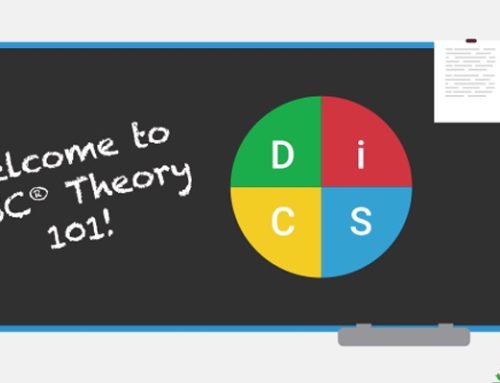
- D-style colleagues value efficiency and progress. Assuming positive intent: “Their directness isn’t pressure it’s focus.”
- i-style colleagues thrive on enthusiasm and connection. Assuming positive intent: “Their energy isn’t distraction it’s fuel that keeps the team engaged.”
- S-style colleagues prioritize harmony and steady support. Assuming positive intent: “Their hesitation isn’t resistance it’s care for people and stability.”
- C-style colleagues bring precision and quality to the work. Assuming positive intent: “Their questions aren’t criticism they’re protecting us from avoidable mistakes.”
DiSC helps you see the differences. Assuming positive intent helps you honor them.
Teams don’t transform because leaders memorize frameworks. They transform because leaders practice the small, daily habits that build trust. The Colleagues feature makes those habits concrete. Assuming positive intent makes them meaningful.
And here’s the real leadership win: when you choose to see the good in others, they start living into the good you see.
Coaching Thoughts – For You and Your Peers
- When you feel irritation rise with a colleague, take a breath and ask yourself: “What if their intent was good?” Leaders who pause here create just enough space to choose a better response.
- Spend five minutes in the Catalyst Colleagues feature today. Pick one teammate and look for a behavior you typically misinterpret. Then challenge yourself: “How does their DiSC style explain this?”
- Notice where your assumptions show up most often: email tone, meeting dynamics, or last-minute requests. Then practice quietly rewriting those assumptions through the lens of positive intent.