
Surround Yourself with Positive Leaders

We’ve all seen him, that leader who just has a black cloud hovering over his head throughout the day.  The world seems dark around him.  He is unhappy with the changes in direction of the company, changes that were announced 7 months ago.  He’s discouraged with his team that appears to always be in some type crisis.  He spreads gossip about other leaders.

Every day you have a choice regarding how you will approach the day.  Dr. Norman Vincent Peale’s Power of Positive Thinking provides great insight on the power of your perspective.  The day will be what you perceive the day to be.  Surrounding yourself with positive minded leaders will create an atmosphere that inspires you to approach the day’s challenges with a strength, an inspiration to be the best leader you can be.  Surround yourself with negative leaders and the opposite will likely happen.  The day will be fraught with insurmountable problems, constant headaches and discontent among the people.

Take a moment to read each statement below. Which one of these statements best describes your perspective today as others will perceive you.

1. Leading is a lonely job.  Today is filled with more meetings listening to my team tell me why their work is behind schedule.  Then I’ll have to listen to someone complain about their continuing problems with a co-worker.  And to boot, I have to sit through a 2 hour status meeting over lunch.

2. Leading is such a great job.  I have the fantastic opportunity to inspire, grow and motivate people.  I look forward to the challenge today of helping someone feel great about their work.  The guidance I will provide will be thoughtful, have impact and help my organization to achieve success today.  During the status meeting today, I’m going to sit in a different seat and learn one new thing from the person next to me.

Life’s short.  Find the positive leaders with whom you can mingle.  Be inspired; be inspiring to others.  It’s your choice to make.

Creating Presence With Your GDT

Leading GDTs – Geographically Dispersed Teams – is more the norm for leaders today than anomaly.   Leaders leading teams spread across the USA or the world is surprisingly much the same as leading teams dispersed in several local stores or on separate floors of a building.  The broadness of the spread of the GDT is less important than the effort a leader invests in maintaining open and effective communication paths.  The frequency and quality of these conversations is directly related to the maturity of the leader and not proximity.  Good leadership is enabled by quality communications. Employees don’t necessarily care how you communicate with them but they intimately care about the quality of your communications and if you really care about them.

I find that leaders with close GDT (same floor or building) actually spend less time in quality communications because they believe they are always present.   Leaders with broader GDTs realize they need to invest time in creating communication opportunities and absolutely these leaders have to be more diligent and creative in developing relationships.

The principles of management and leadership remain constant.  Great, and even good, leaders will find ways to create opportunity to apply the principles enabling their employees to be successful.


To Think About:

Two 8 year old boys are playing against each other in a soccer game on a beautiful Saturday afternoon.  Throughout the game one boy looks over to see his father constantly on his iPhone responding to emails or talking on the phone.  The opposing player looks over at his dad filming the game which the boy knows is being fed via Skype to his mom who is watching the game live while out of town.

Proximity helps.  Ultimately determination, leveraging tools & technology and creating presence enable opportunity for great leadership.

How’s the Street View

Have you used Google Maps Street View in the past?  What a great way to drop in and see the actual destination of your trip.  You can see the building, the street, parking even what restaurants might be close by.

A professional roadmap helps you to document where you’d like to head in the future prompting you to develop a target, areas of focus, goals and broad actions to layout your professional trip.  Maybe you’re just taking a small trip to expand your skills a bit or possibly a once in a lifetime, cross country trip taking you on a 2 year adventure to reach that next rung in the ladder.

You should check in on your progress just as Google Maps let’s you drill down from a broad, global view to the street view.

  • Regional View – you can see your starting point, your ending point and the organizational terrain you’ll cross.
  • Neighborhood View – you can see more details regarding bends in the road, turns that will need to be made, special navigational opportunities (shortcuts, country roads, highways) all with pros and cons.
  • Street View – The real deal!  What is actually around you at the moment in time when the snapshot is taken?


To Think About:

  • Where are you on your roadmap?
  • Is the highway really your best choice or might the country road with all its scenery build more leadership wisdom?
  • What feedback might a passer-by at street level be able to provide?

Leaders Leading Leaders

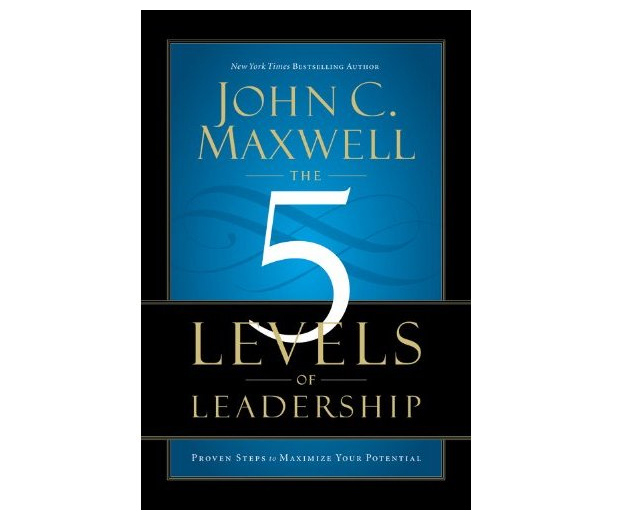
I recently finished John Maxwell’s 5 Levels of Leadership.  I’m struck by the simplicity and power he reveals in his model for describing the role leaders attempt to play.  The simplicity of the 5 Levels – Position, Permission, Production, People Development, and Pinnacle – is a basic path through increase of power and influence.  However, Maxwell’s depth comes from painting a shift in paradigm with regard to how power and influence are wielded.  Most intriguing for me is the movement from the 3rd Level, Production, a level revealing leaders making things happen and separating themselves from the pack with high production through a team or teams, to Level 4, a level summarized as developing leaders into leaders who can lead others.

Take a moment and re-read the last 8 words.  Think about the skill/maturity/emotional intelligence gap which exists from leading teams to produce to developing leaders to lead.  Becoming a great leader will require you to identify, grow, equip and support leaders.

Ultimately you lead well not through your perceived power but through empowering others – other leaders as well as employees – who become successful because of the leadership you model.

Here’s a rundown of Maxwell’s 5 Levels:

  • Level 1:  Position – It’s a great place to visit, but you won’t want to stay there.
  • Level 2:  Permission – You can’t lead people until you like people
  • Level 3:  Production – Making things happen separates real leaders from wannabes
  • Level 4:  People Development – Helping individual leaders grow extends your influence and impact
  • Level 5:  Pinnacle – The highest leadership accomplishment is developing other leaders to Level 4


Get the Leadership Learning Moments Book! 

Leadership Learning Moments for the New & Maturing Leader  is now available on Amazon.com.

Bad Behavior has blocked 60 access attempts in the last 7 days.